The Social Development Committee - Haifa
Section · Education

Education: a Site of Voice, Rights, and Belonging

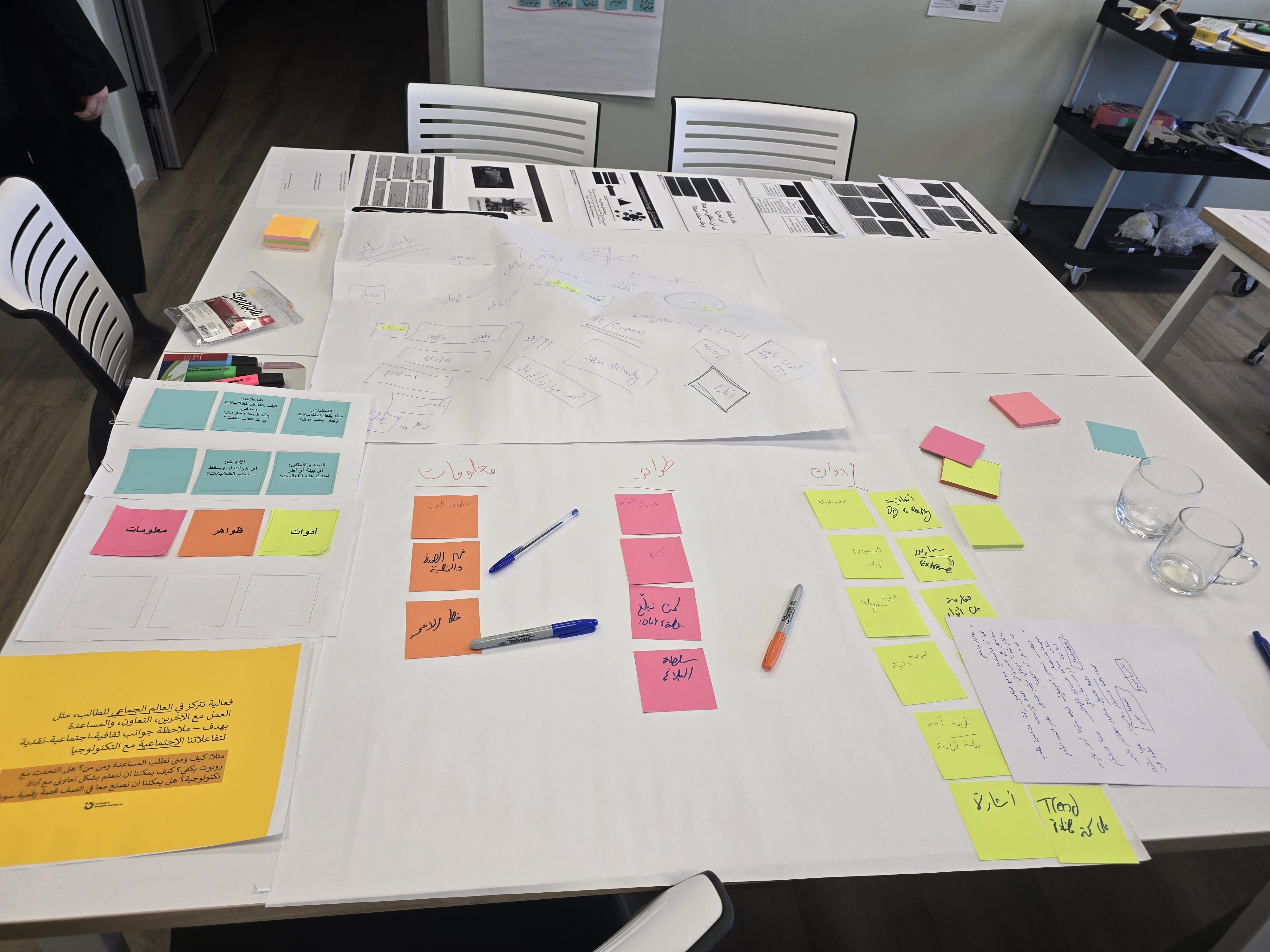
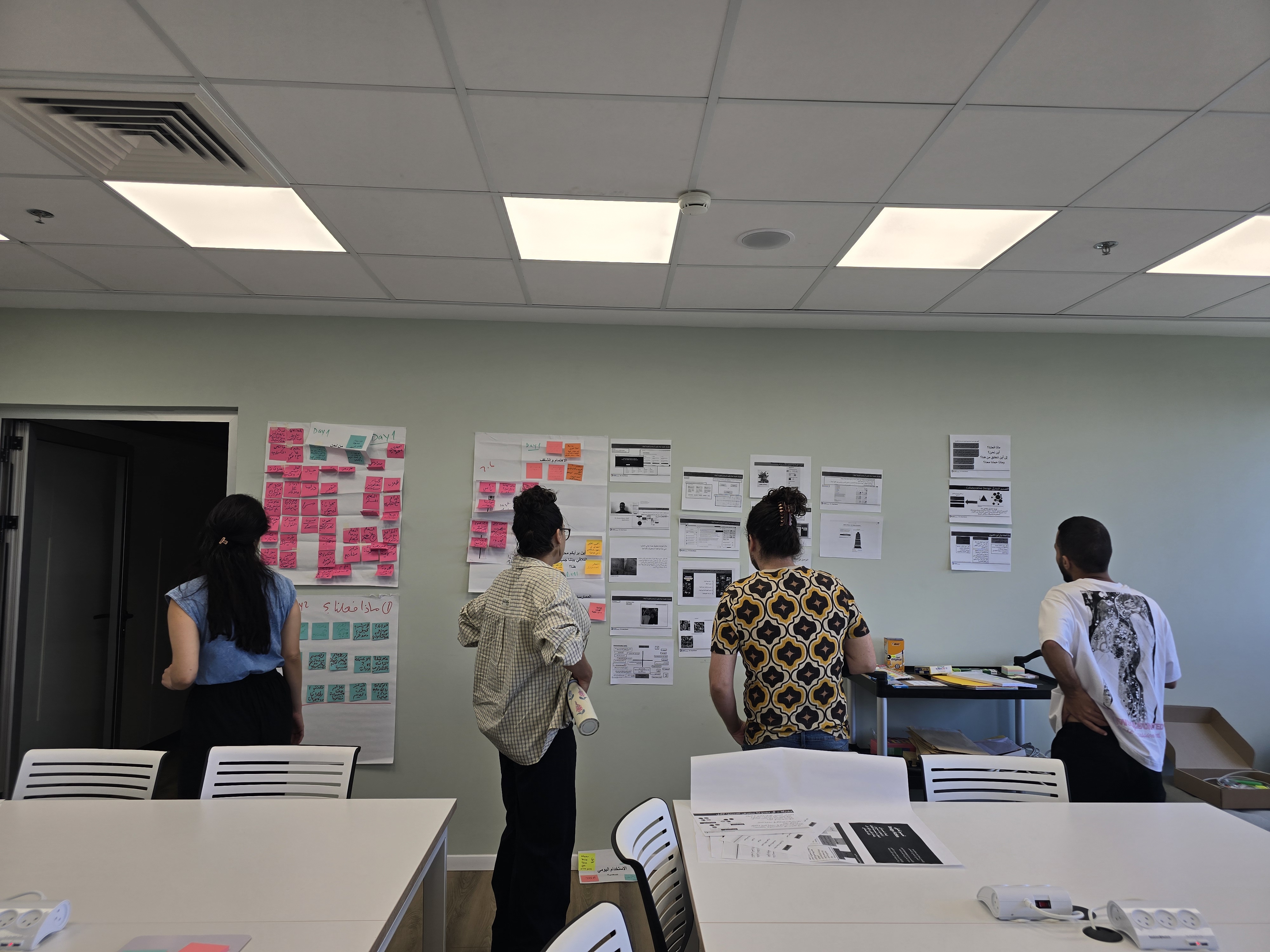
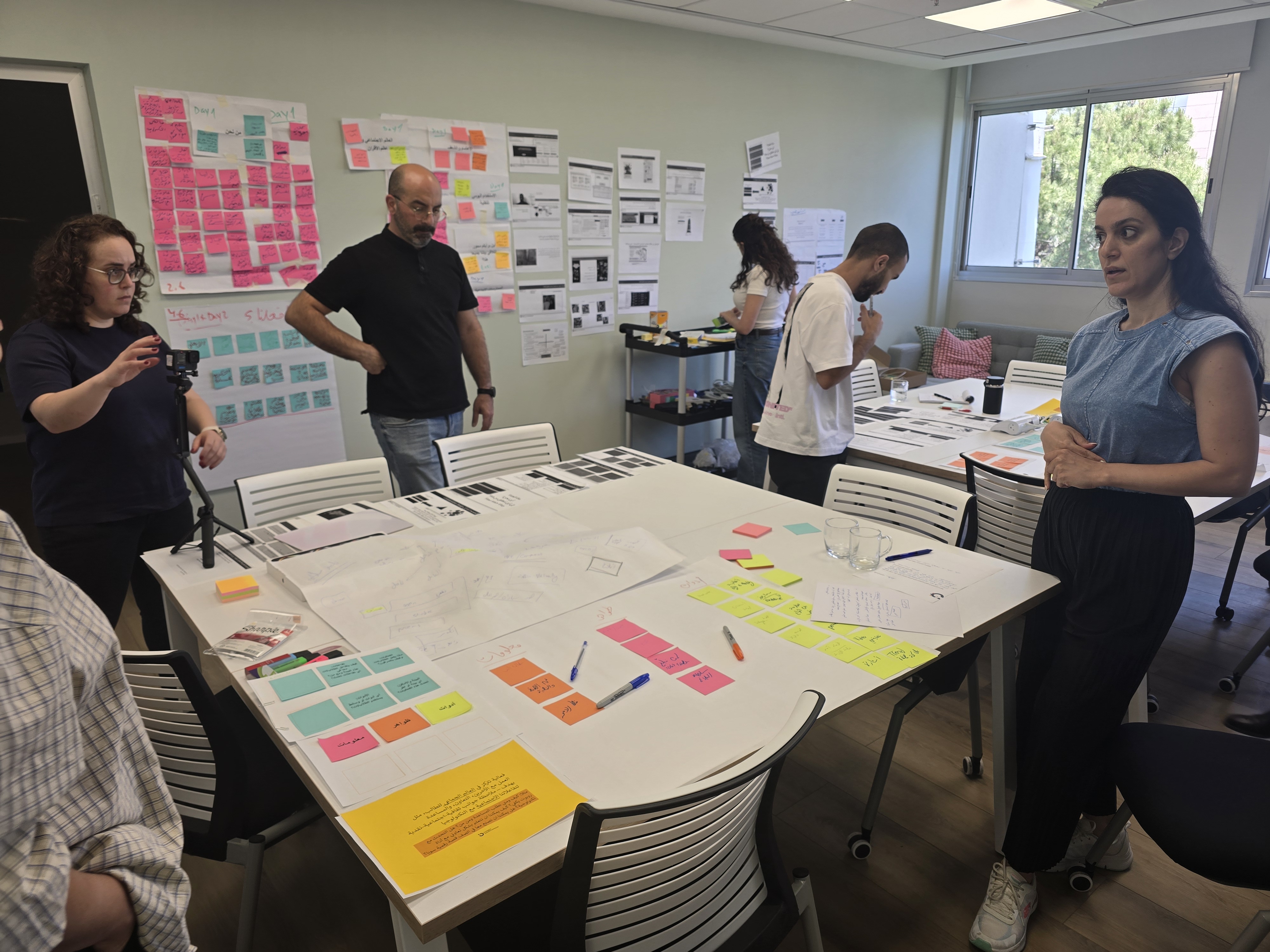
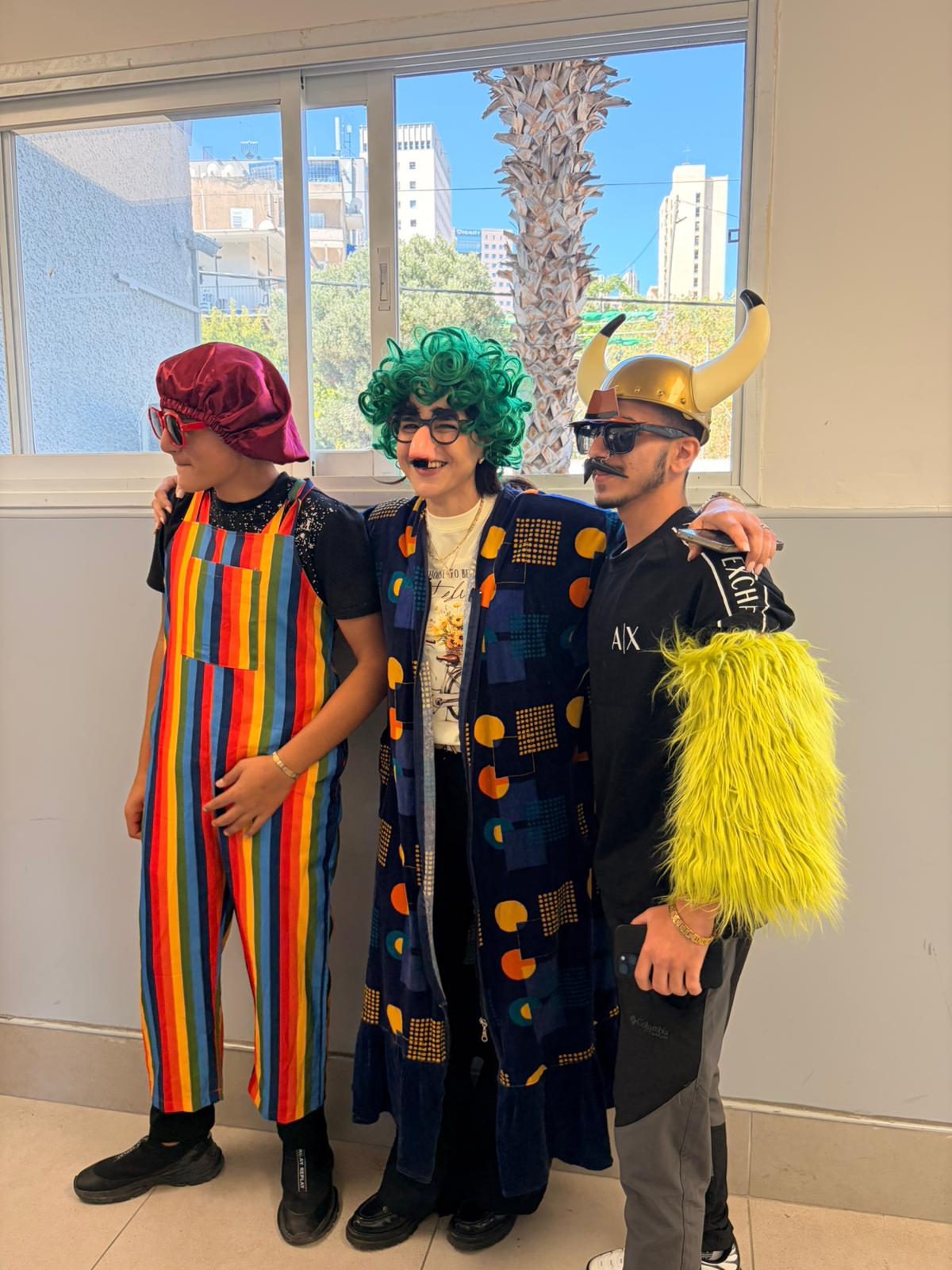
Facilitator co-design · sorting cards · June 2026

Education

01
Photo · Facilitator co-design

Education is not only a classroom question. In Haifa it is where equality, identity, belonging and access to opportunity are settled earliest — and where structural exclusion becomes visible in a child's daily life long before it becomes visible anywhere else.

Arab students in the city learn inside a system marked by disparities in school infrastructure and under-resourced facilities, and in schools whose funding is scarce and whose identity is itself under pressure. Opportunities for Arabic-language enrichment are limited. So are the non-formal spaces where young people might practise expression, judgement and leadership rather than only absorb a curriculum.

SDC works inside that gap — not to compensate for what the system withholds, but to build what it does not supply: trusted spaces, in schools, youth frameworks, community settings and training rooms, where students, young people, educators and facilitators can think critically, build confidence, and connect what they learn to what they do.

The activities change from year to year. The purpose does not. Education justice is one of the three strategic outcomes of SDC's Strategic Plan 2026-2029, and youth civic agency is how it is pursued: young people are not an audience for civic life to be explained to, but participants in it. That is why the priorities young people and their parents raise now feed a standing community structure. At the Arab Civic Council's founding assembly in July 2026, one of the three working groups was education — and the priorities it named, among them reactivating non-formal frameworks inside schools, free educational support, a culture of volunteering, and involving students in producing solutions, are the same ground this work occupies.

The four units
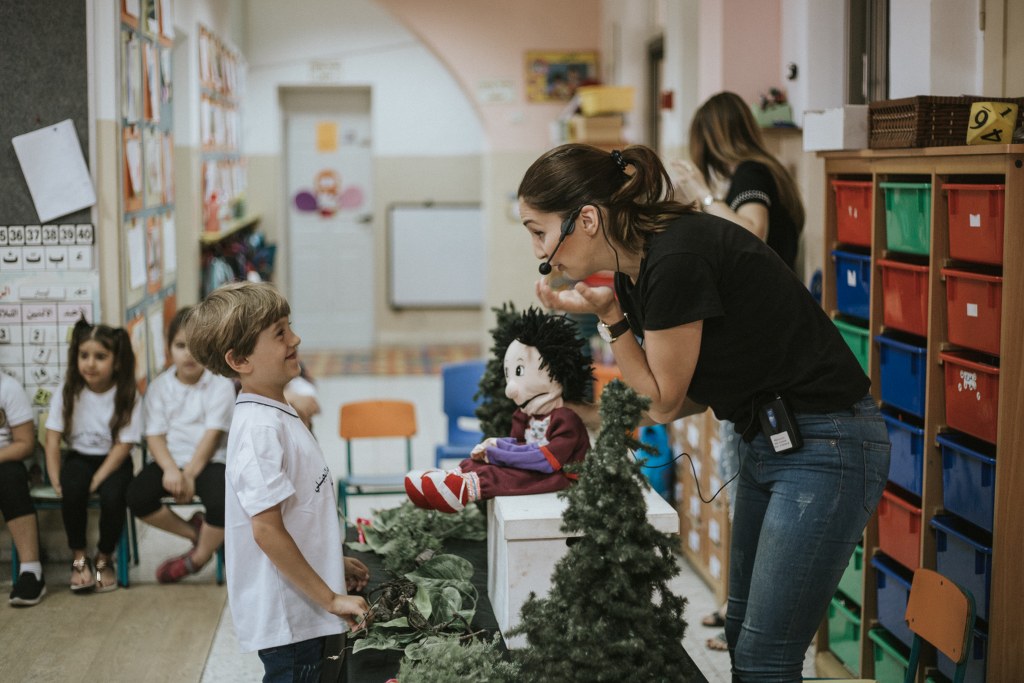
Young participants during a group activity, June 2026.
Association cards laid out during a group session, June 2026.
01 · Card 1

Students as Active Participants

Through school-based work and student-led initiatives, students get room to work together, name the issues that actually concern them, and practise responsibility inside their own schools and communities. In the 2024-2025 cycle, more than 200 students across six Arab schools in Haifa met in weekly sessions over twelve weeks. Each class identified a challenge drawn from its own surroundings and built a small initiative in response — awareness videos on digital blackmail and on gender inequality, an illustrated booklet of short stories on equality, visual campaigns, a class savings scheme. The projects were modest by design; what they built in the students was not. In an anonymous survey at the close of the cycle, 93% of participants said they would take part again, 88% said they had learned new ways to think about problems, and 87% said they felt comfortable expressing their opinions.
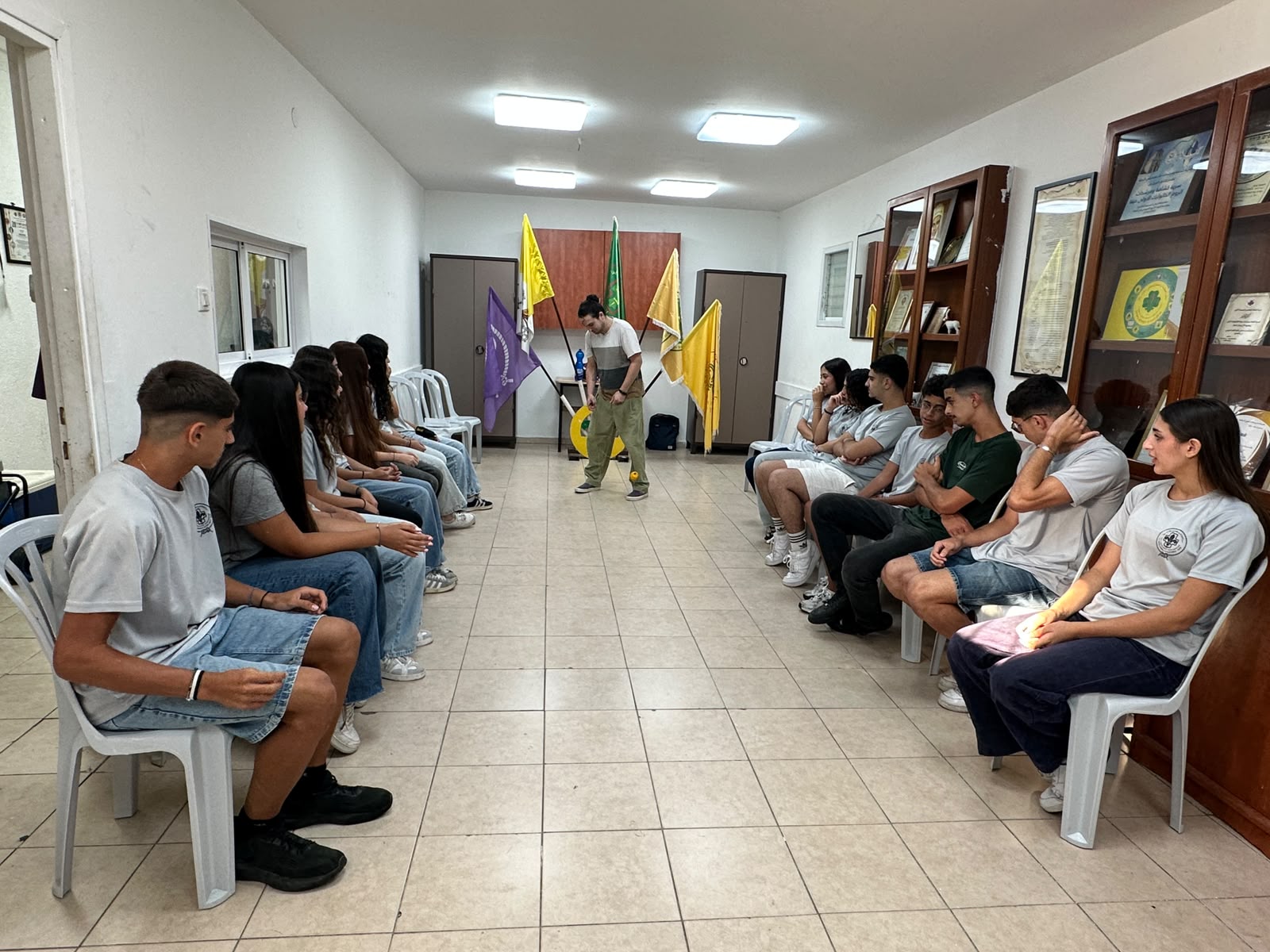
A session at the scouts' den, August 2026.
A trust exercise during a session at the scouts' den, August 2026.
02 · Card 2

Youth Frameworks and Belonging

Working through frameworks that already hold young people's trust — scouts groups among them — reaches them where they already are, rather than asking them to come to us. These settings supply what a civic programme cannot manufacture: belonging, structure, a group identity, and the chance to practise leadership among peers who already know you. In Haifa, where accessible spaces for Arab young people to learn, express themselves and take part civically are limited, meeting them inside the frameworks they already belong to is not a convenience. It is often the only durable route.

03 · Card 3

Critical Learning in a Digital World

Digital tools shape how young people learn, how they see themselves, and how they are seen by others. The work here — carried in workshops under the title Beyond the Screen وراء الشاشة — opens a critical conversation about technology and artificial intelligence: about identity, representation, privacy, and power. The aim is not competence with the tools; young people already have that. It is understanding what the tools are doing to them, and what they can do in return. Students bring the material themselves: online blackmail and online shaming are among the subjects they choose when the choice is theirs.

04 · Card 4

Education Justice

Education justice is built by organised community action, not by individual programmes. Parents' committees turn scattered concerns about access and equality into shared priorities and concrete steps. SDC supplies what that requires: documentation of the patterns, connection to professional and legal partners, and accompaniment as community actors move from lived experience to collective action. When Arab students were denied access to a recognised full scientific track in Haifa's secondary schools, that route ran from a parents' committee, to a framing of the issue as education justice, to professional and legal partners, and eventually to court.

The same approach applies to the adults. Professional development piloted in two schools reached 46 teachers, and the clearest lesson of the youth work was that the classes that went furthest were those whose teachers took part in them. What happens inside a school depends on the adults and the institution around the students, not on the students alone — which is why this work links what happens in a classroom to the wider question of equality in Haifa: who has access, who is heard, and who gets to shape the future of Arab education in the city.

What this work builds

What this work builds is structure: the spaces, tools, confidence and community leadership that Arab children and young people in Haifa need in order to learn, to belong, and to take part in shaping what comes next.

Support goes to that structure, rather than to any single activity.