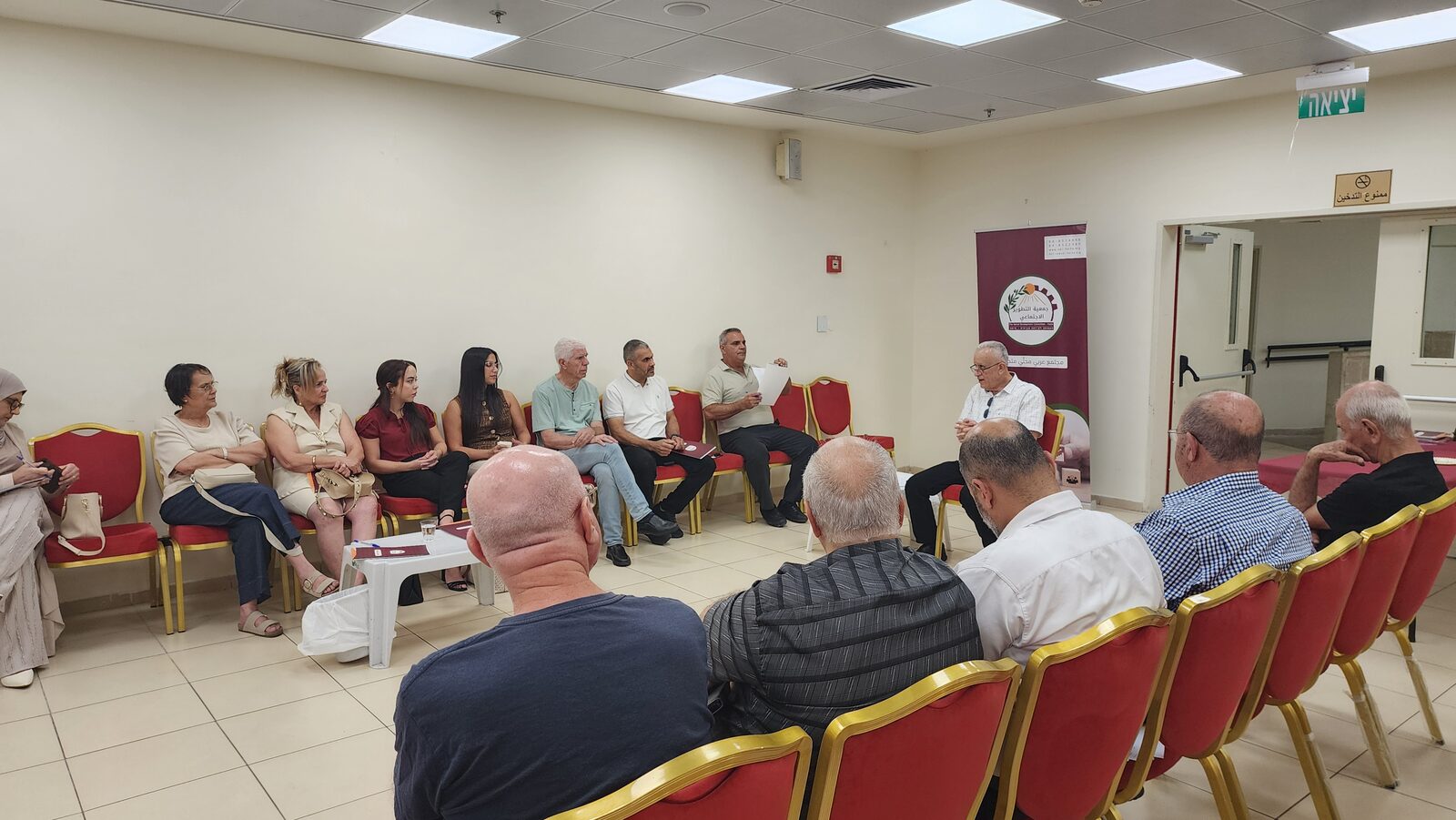
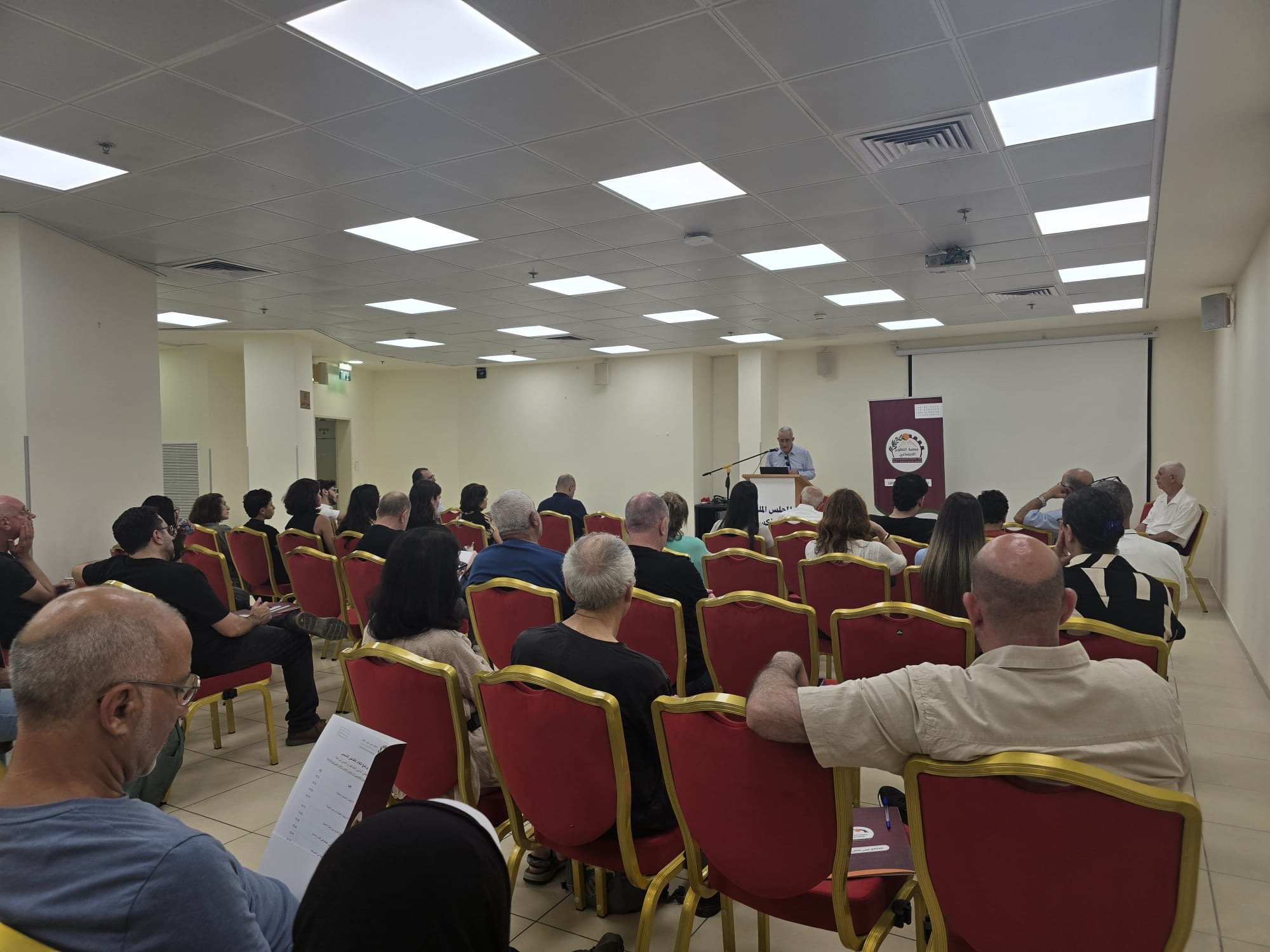
On 1 July 2026, the Arab Civic Council (المجلس المدني الجماهيري العربي في حيفا) held its first founding assembly in Haifa, bringing together residents from across the city's Palestinian Arab community, different fields, different generations. Around 40 residents took part, and many more asked to join but could not attend. The assembly opened the work of building a permanent community civic body: not another forum convened to state positions, but a standing structure built to carry a priority from the moment it is raised to the moment it is resolved.
That distinction is the reason the Council sits at the center of SDC's Strategic Plan 2026-2029, (Re)Imagining Haifa: From Resilience to Transformation.
The gap the Council answers
Arab Haifa has not lacked clarity about what it needs. Its needs have been named repeatedly, documented, and in several cases formally recognized. Many of the issues raised at the founding assembly, in planning and infrastructure, in education, in community safety, had already been set out years earlier in a paper of demands that won wide recognition, was adopted by a number of municipal candidates, and was acknowledged by the community's own representatives. In 2024, working groups of educators, urban planners, parents and activists developed three detailed policy papers on the absence of shelters in Arab neighborhoods, disparities in educational infrastructure, and discriminatory planning practices.
The obstacle, then, was never that the community did not know what it needed. It was the absence of a permanent organized force to carry those needs to the end.
SDC's own evaluation of earlier work paths reached the same conclusion from the other direction: it is not enough for the association to make demands on the community's behalf. The community itself has to be at the front, moving and demanding for itself, with the association providing the capacities, professional support and infrastructure that make this possible.
One episode has come to stand for the gap. At one of SDC's accountability conferences, a former mayor of the city remarked that Arabs do not know how to make demands, said at a moment when the community, together with SDC, had already put forward a paper of demands that candidates had adopted and representatives had recognized. What the remark exposed was not an absence of demands. It was an absence of permanence.
The conditions
The Council is founded at a difficult moment: a shrinking civic space, a deepening structural exclusion, and the features of Arab Haifa being erased one after another. The demolition of Palestinian homes in Wadi Salib. A tower of 27 storeys planned beside the Small Mosque, built in 1761, on waqf land. Rising violence and killings that the responsible authorities have failed to confront. Arab schools whose funding is scarce and whose identity is targeted.
What the assembly did
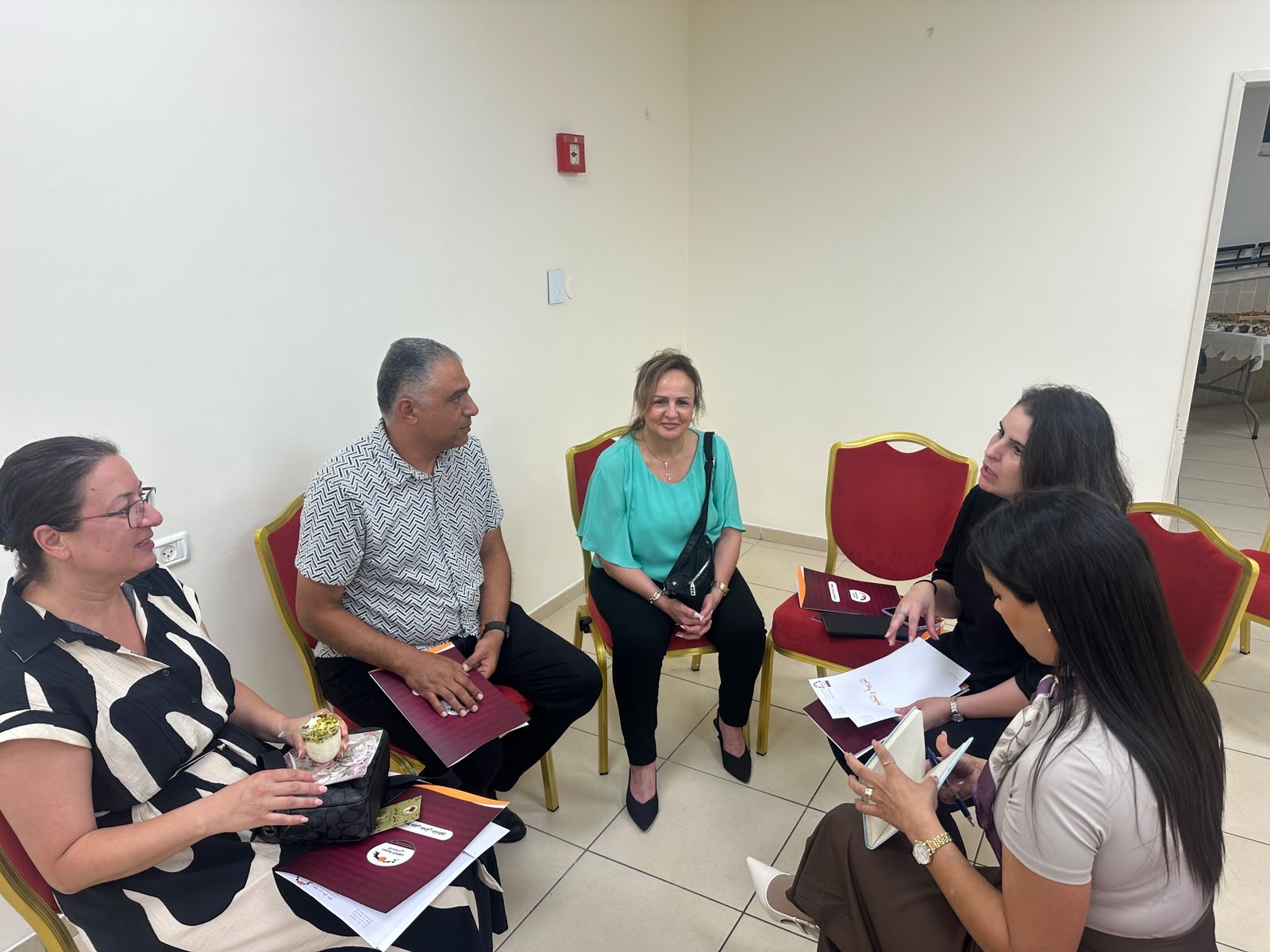
Participants distributed across three working groups, Planning and Infrastructure, Education, and Community Safety, each discussing its own priorities before presenting them in a closing session.
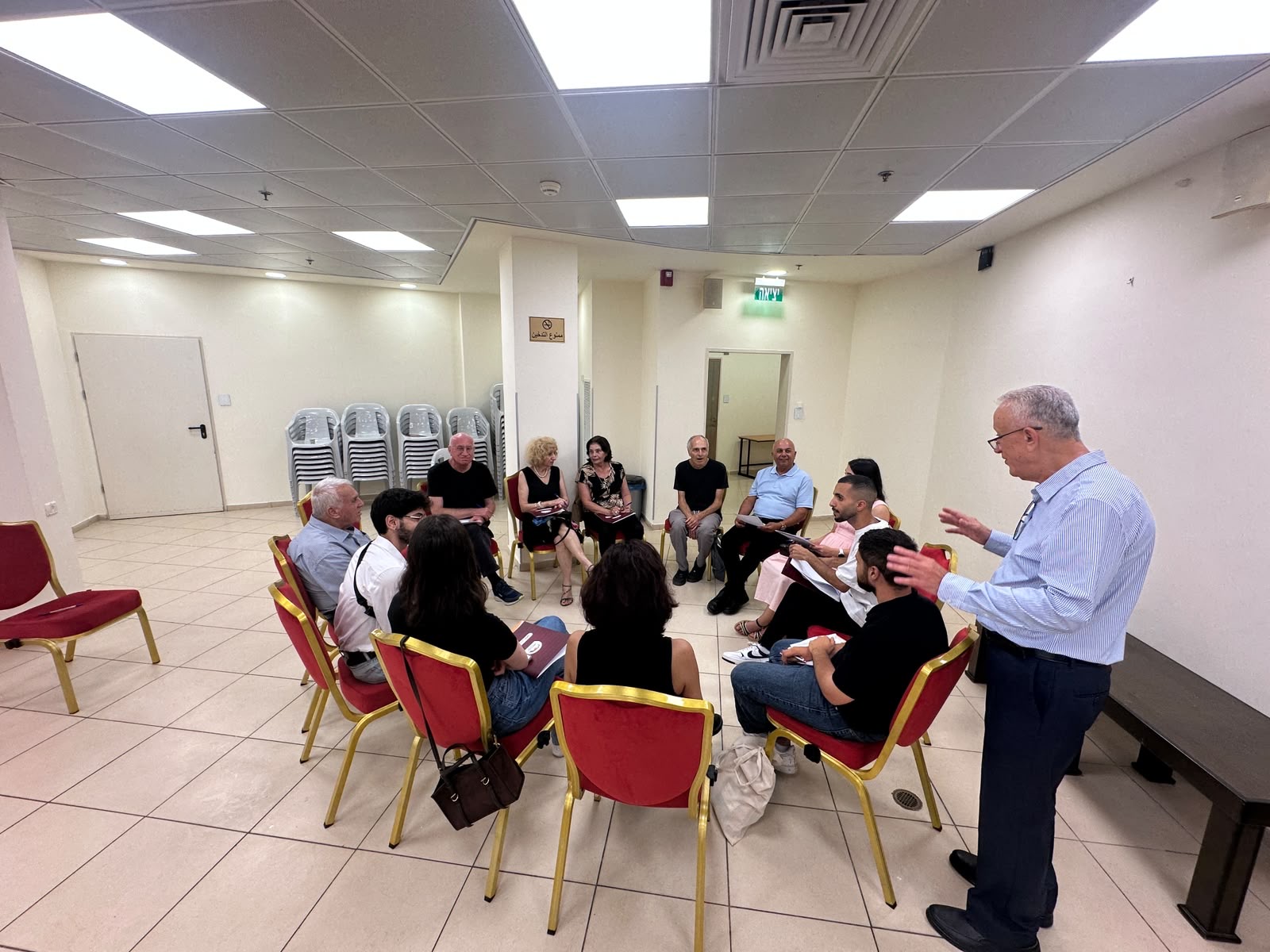
In planning and infrastructure, the discussion settled on transport and parking, on the shortage of services in Arab neighborhoods from nurseries and schools through to clubs and green spaces, and on the protection of built heritage and of cultural spaces, many of which have closed. In education, participants raised the reactivation of non-formal frameworks inside schools, free educational support programs, embedding a culture of volunteering, and involving students in producing solutions rather than receiving them. In community safety, confronting violence and crime led the discussion, alongside mapping the needs of each neighborhood, building permanent channels of communication with residents and local committees, and youth empowerment.
Across all three groups, common concerns surfaced: strengthening community participation, investing in youth, developing services in Arab neighborhoods, building partnerships, preserving cultural identity and belonging to Haifa, and adopting long-term participatory work in place of temporary solutions.
The assembly also named something harder. Participants spoke of accumulated frustration with earlier initiatives that bore no fruit, and judged that among the Council's first tasks is rebuilding trust in collective action and in its capacity to produce change. A structure that intends to last is right to begin there.
What the Council is, and what it is not
The Council does not replace elected representatives or political parties. It gives them what they currently lack: community priorities that are organized, documented and ordered, supported by continuous follow-up, so that a representative's voice inside the city's institutions becomes stronger and harder to ignore. In return, the community gains a mechanism that pursues its priorities methodically to the end, instead of watching them dissipate.
Understood this way, the Council is civic infrastructure that makes everyone working in the service of Arab Haifa, residents, their representatives, and institutions alike, more capable of producing effect.
SDC's role, deliberately bounded
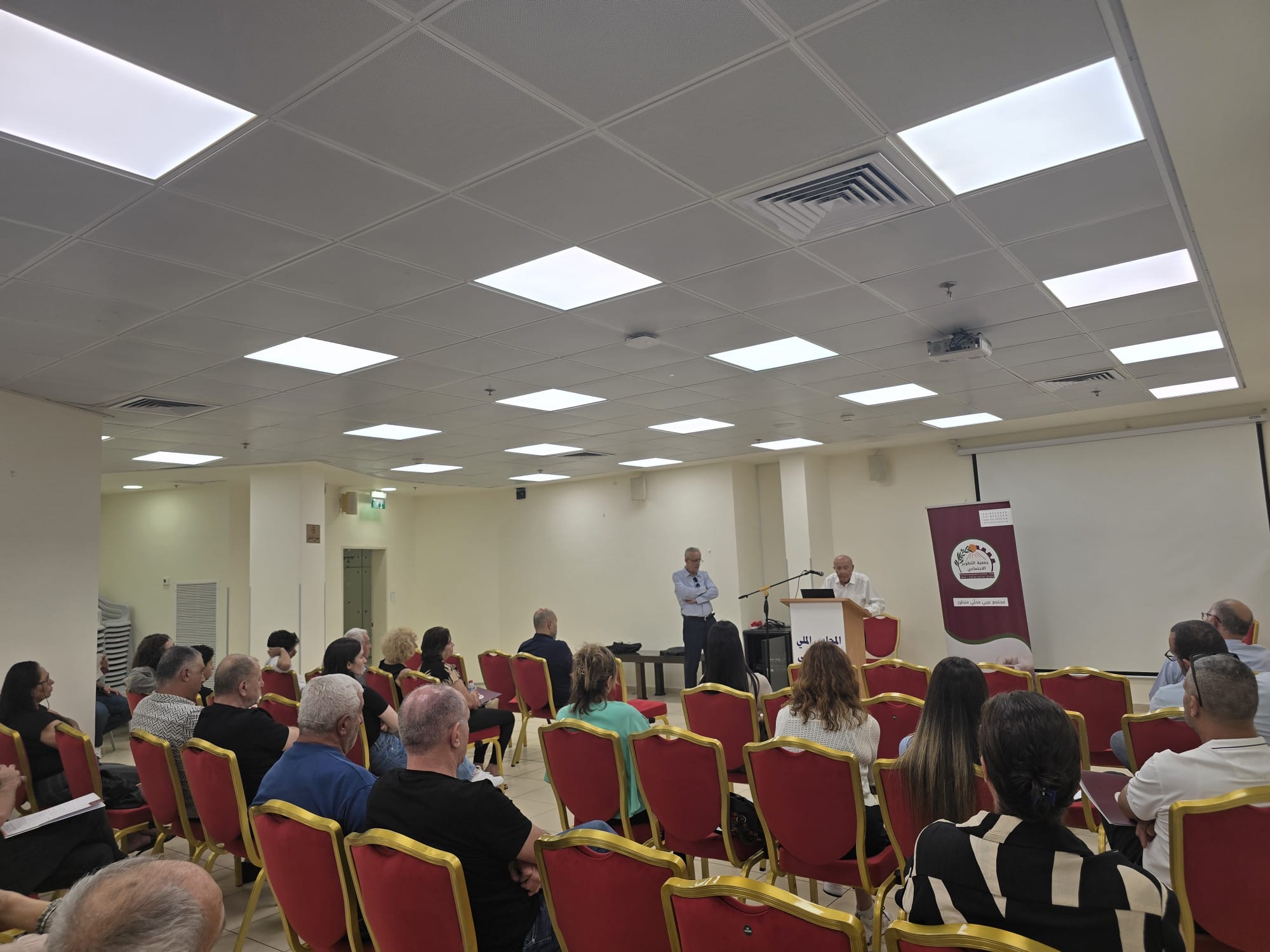
At this stage SDC's role is consciously limited: bringing the parties together, facilitation, and providing the infrastructure and support the Council needs, so that it develops step by step until its members and its committees can lead it, manage it, and secure its continuity.
SDC's director, Fathi Marshood, told the assembly that SDC is not building this Council in order to speak in people's name, but to provide the structure that allows them to organise themselves and decide for themselves. The community's problems, he said, have been known for years; what is new is the move from reaction to an organized community power that follows its priorities through to the end.
The initiative did not come from SDC alone. Before the assembly, SDC shared the idea and the new strategy with a number of civil society organizations, all of which expressed readiness to support the Council, each from its own field of professional specialism, as an additional supporting structure; the role of civil society institutions in this path was affirmed during the assembly itself. SDC is explicit that the Council remains independent and the initiative open to all: SDC initiated it, but does not own it. It is a common framework, wide enough for anyone who wants to contribute to serving the Arab community in Haifa.
Why the Council is the strategy's backbone
The 2026-2029 strategy sets three strategic outcomes: a functioning Arab Civic Council; women's leadership as governance, with women holding decision-making roles and leading cases across issues; and education justice together with youth civic agency. The strategy is deliberate on this point: the three are designed to be integrated into the Council ecosystem, not run as separate efforts.
Each already exists as real work. Through the Haifa Women's Forum, SDC sustained a steady framework for women's presence and participation through 2025. At a time when many forms of public participation had become more difficult, the ability to gather, speak and maintain relationships was itself a form of civic strength. In education, working with parents' committees, SDC helped turn concerns about access and equality into organized civic action: when Arab students were denied access to a recognized full scientific track in Haifa's secondary schools, SDC helped frame the issue as a question of educational justice, connected families with professional and legal partners, and supported a process that eventually reached court. In youth civic learning, a cycle concluding in June 2025 reached students across six Arab schools, each participating class developing a student-led initiative rooted in concerns identified from their own lives.
Before the Council, these were strands of one body of work running alongside one another. The Council is the structure through which they are designed to act together: where women's leadership is exercised across every issue rather than on a track of its own, where young people practicing civic agency in schools have somewhere to carry it, and where education justice is not a campaign but one of three standing axes with a working group behind it.
The strategy that arranges them this way was itself built through a deliberate process: toward the end of 2025, SDC began a strategic thinking and planning process with staff, board members and external experts, which continued into early 2026.
What comes next
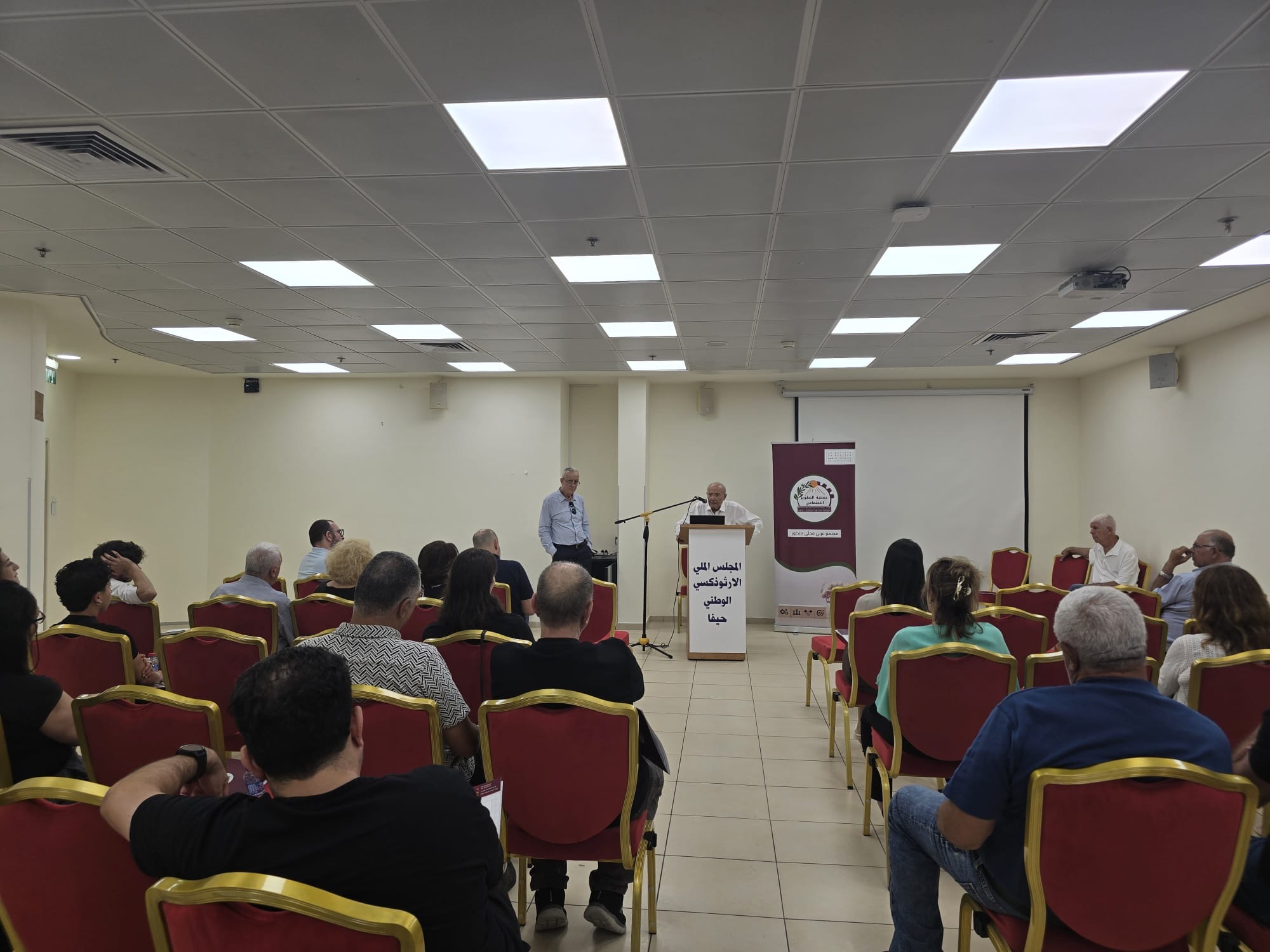
SDC intends to dedicate the coming meetings to moving from identifying issues to building strategies and practical action plans for each axis, forming working teams to follow the axes, and widening the circle of participation.
The Social Development Committee Haifa is an Arab non-partisan association for community organising. It began its work in 1982 and was formally registered and founded in 1987. Across some four decades it has remained a central address for Arab residents in Haifa, working to organise and empower the city's Arab community to obtain its full entitlements and a fair share of services and resources.
Read the strategy. (Re)Imagining Haifa: From Resilience to Transformation, 2026-2029 [PDF] Get in touch: contact form Follow our work: Facebook · Instagram · YouTube